Okay, so check this out—I’ve been juggling wallets and chains for years. Wow! My inbox and wallet history look like a messy ledger. I remember the first time I lost track of a token after a bridge hiccup; total facepalm. Initially I thought a single app could solve everything, but then I realized real-world tradeoffs get messy, and user experience often loses to security and decentralization choices.
Something felt off about many so-called “all-in-one” solutions. Really? They promised seamless cross-chain swaps but required tons of approvals. On one hand the UX was slick and modern. On the other hand, the risk surface expanded in ways nobody likes to say out loud. Hmm… my instinct said to test under strain, and so I did—transactions, pending states, reorgs, failed bridges, the whole nine yards.
Here’s the thing. Portfolio tracking, DeFi integrations, and cross-chain transactions form a triangle where improving one corner often complicates the others. Shortcuts break trust—literally. So you want a system that gives visibility, safe integrations, and reliable movement without sacrificing control. That sounds obvious. But it’s not trivial, especially across EVMs, Cosmos, and layer-2s where token standards and confirmations differ.
Why portfolio trackers matter more than you think
Portfolios are not just sums of balances. Seriously? They tell a story about liquidity, exposure, and hidden fees. Medium term, you need a tracker that reads contracts, not just standardized APIs. On one hand, token lists and subgraphs help. On the other hand, they can miss wrapped variations and peged representations, so you end up double-counting or missing assets altogether.
Initially I thought token lists from big aggregators were enough, but then I realized that contract-level reads catch wrapped and bridged tokens more reliably. Actually, wait—let me rephrase that: indexing contract states isn’t always the full answer either, because event ordering and reorgs can create transient inconsistencies. So you need both approaches: off-chain indexing for speed and on-chain confirmation checks for accuracy, with fallbacks for edge cases. My workflow now layers data sources, and yeah, it’s more work but worth it.
One practical rule: prefer trackers that let you verify balances by connecting a read-only wallet or public address. That way you avoid sending private keys around, and you maintain an independent source of truth. I use that habit when auditing claims about yield or staking. It saves headaches—almost always.
DeFi integration: convenience vs. containment
DeFi is seductive. So many shiny yields. Whoa! But each integration is a potential attack vector. My instinct said “trust but verify,” and I learned that the hard way. On the bright side, good integrations reduce friction and can capture composability value. On the downside, they often rely on third-party allowances, smart contract approvals, and aggregator contracts that centralize risk.
On one hand, auto-router DEX integrations find better prices and reduce manual slippage. On the other hand, they aggregate capital into contracts that could have bugs or governance risks. I’m biased, but I prefer wallets that make permissions visible and easily revocable. That one feature reduces long-term risk more than a fancy APR badge ever will.
Practically, look for wallets that support approval management and granular gas controls. Also, a sane UI that explains trade-offs matters. Too many apps hide crucial details. I’ll be honest: that part bugs me. When a wallet shows you the path, the gas estimate, and a button to revoke allowances all in one flow, you feel smarter. And you are — because you’re behaving like a responsible operator, not a passive user.
Cross-chain transactions: protocols, bridges, and the ugly middle
Cross-chain movement is where the shortcuts become dangerous. Hmm… bridging usually feels like magic, until it isn’t. Some bridges are custodial in practice, even if their branding screams decentralization. Others use fraud proofs that are slow. Then there are liquidity-layer bridges that rely on counterparties. Each model introduces latency, slippage, or counterparty risk.
Initially I thought atomic swaps would be the future, but then realized liquidity pool economics and user experience kept custody-based or liquidity-based bridges in the lead for everyday users. Actually, wait—there are emerging designs that combine optimistic fraud proofs with liquidity providers to speed things while maintaining accountability, but they remain complex. So the practical recommendation is to understand the bridge model before moving meaningful value.
Practical checklist: verify the bridge’s security audits, check historical incidents, review operator sets, and prefer bridges with on-chain finality that matches your destination chain’s security assumptions. Also, keep an eye on replay protection and token wrapping conventions—these tiny details cause headaches if ignored. In short, cross-chain moving is a deliberative act, not a click-and-forget chore.
How a good multichain wallet ties these threads together
Okay—so what’s the everyday experience you should expect? First, unified portfolio visibility across chains. Second, permission and approval transparency. Third, integrated and vetted DeFi operations with an escape hatch: manual interaction with contracts if needed. Fourth, smart cross-chain routing that explains the chosen path and associated risks.
Wallets that succeed here treat security like a first-class UX decision, not a disclaimer. They give you control over keys, sensible defaults for gas and slippage, and easy-to-use recovery paths. They also surface the provenance of tokens—showing whether an asset is a wrapped representation from a bridge, a synthetic, or native. That matters to someone tracking exposure across ecosystems.
Pro tip: use a wallet that supports hardware-key integration and a read-only portfolio mode. That combo reduces risk and keeps your view consistent. I do this when managing multiple accounts, and it keeps me from making dumb impulsive moves when market mania hits. It’s a discipline thing.
Where truts wallet fits in
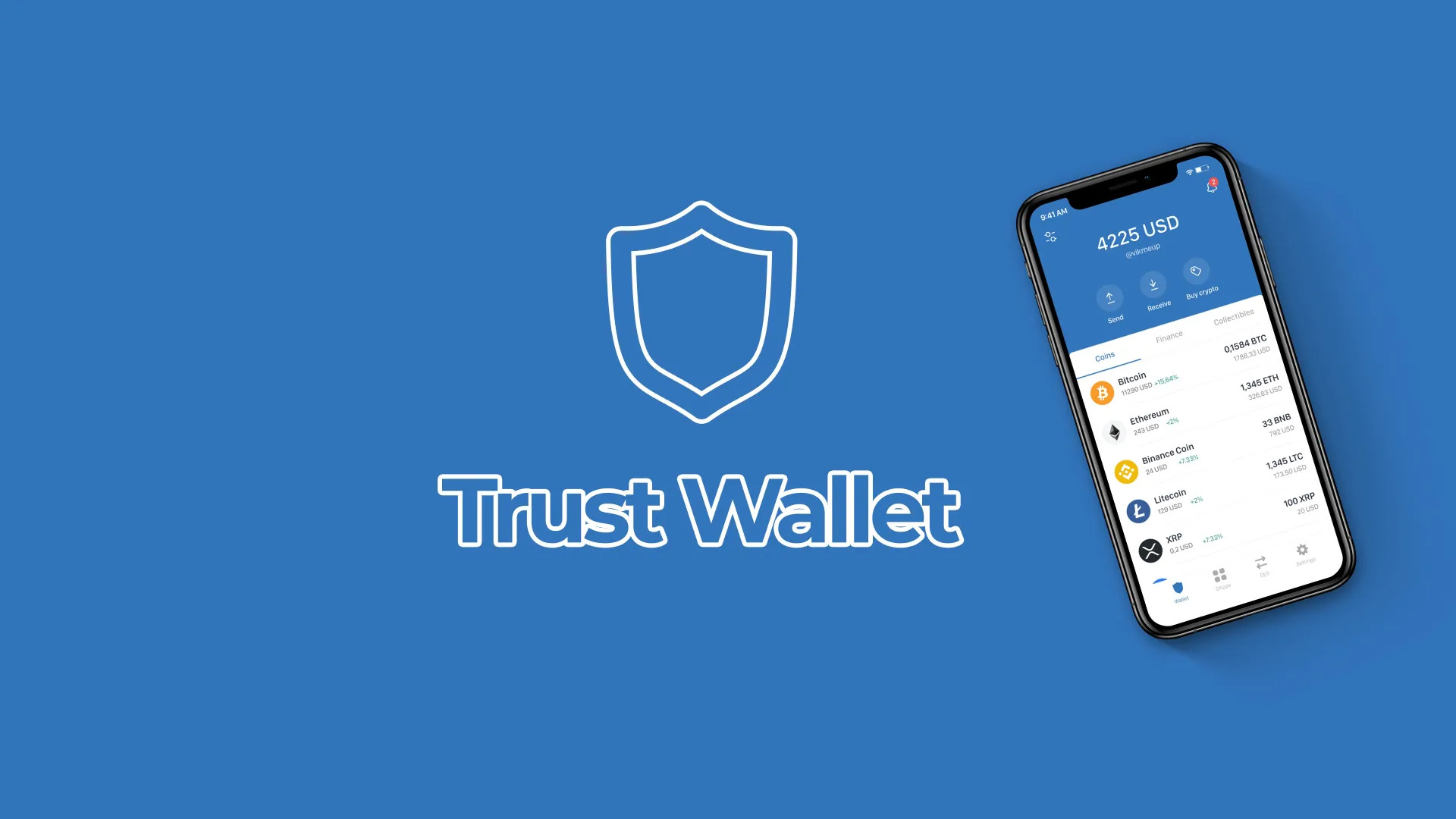
I’ve tried a lot of wallets. Some look great, some are secure, but few balance visibility and cross-chain practicality well. The truts wallet seemed promising because it aims to combine multichain tracking with granular approvals and DeFi integrations that are auditable. I liked how it surfaces token origins and approval histories without forcing you into a proprietary custody model.
On one hand, it integrates common chains and L2s with clear UI hints about token wrapping. On the other hand, it’s not a silver bullet; you still need to understand the bridge models and contract approvals. I’m not 100% sure every edge-case is covered, but the design philosophy favors transparency, which is rare. Oh, and by the way, the permissions manager is straightforward—refreshing really.
FAQ
How do I trust the balances shown in a multichain tracker?
Use read-only address verification and cross-reference on-chain contract reads. Check token contract addresses, not just tickers. If a balance is reported, verify via block explorers or by using a wallet’s direct contract call feature. Somethin’ as simple as comparing two sources often catches mistakes early.
Are cross-chain swaps safe?
They can be, but safety depends on the bridge design. Prefer bridges with clear operator sets, audits, and on-chain settlement. Avoid new, unproven bridges that promise unusually low fees or near-instant finality without an explanation. My gut says: wait a few weeks for usage and code reviews before trusting large transfers.
How should I manage DeFi permissions?
Use wallets that let you set allowance limits and revoke easily. Approve only the minimal necessary amounts when possible. Check approvals periodically and automate revocations for contracts you no longer use. Double approvals across multiple chains is a headache, so track them centrally when possible.
Now, a few pragmatic rules from my personal toolbox: keep a small hot wallet for interactions, and a cold or hardware-backed wallet for large holdings. Really? Yes—this split reduces exposure and lets you experiment without risking everything. Also, maintain a recovery checklist and test it occasionally. Recovery isn’t exciting, but it saves you when a cloud service disappears or a passphrase gets fuzzy.
I’ll be honest: nothing replaces knowledge. Learn what a token contract does, know the common standards across chains, and keep a skepticism filter engaged. That doesn’t mean paranoia, but it does mean habits: check, verify, and document. When you do that, portfolio tracking, DeFi, and cross-chain moves stop feeling like magicians’ tricks and start looking like accountable operations.
On a closing note—different emotion than the opener—there’s a pragmatic optimism here. DeFi has matured. Tools are catching up. Yet users still need to exercise judgment and insist on transparency. The tech will continue evolving, and we’ll keep adapting. Somethin’ about that feels hopeful, even if it’s messy right now…