The psychology of gambling understanding the mind behind the bets
The Allure of Gambling
The psychology of gambling begins with understanding the powerful allure it holds for many individuals. The thrill of risking money for the chance of winning big creates an intoxicating rush that draws people in. This excitement is not merely about the potential for financial gain but also stems from the emotional highs associated with winning and the adrenaline that accompanies each bet. Many people explore avenues such as real money online casinos to experience this excitement directly.
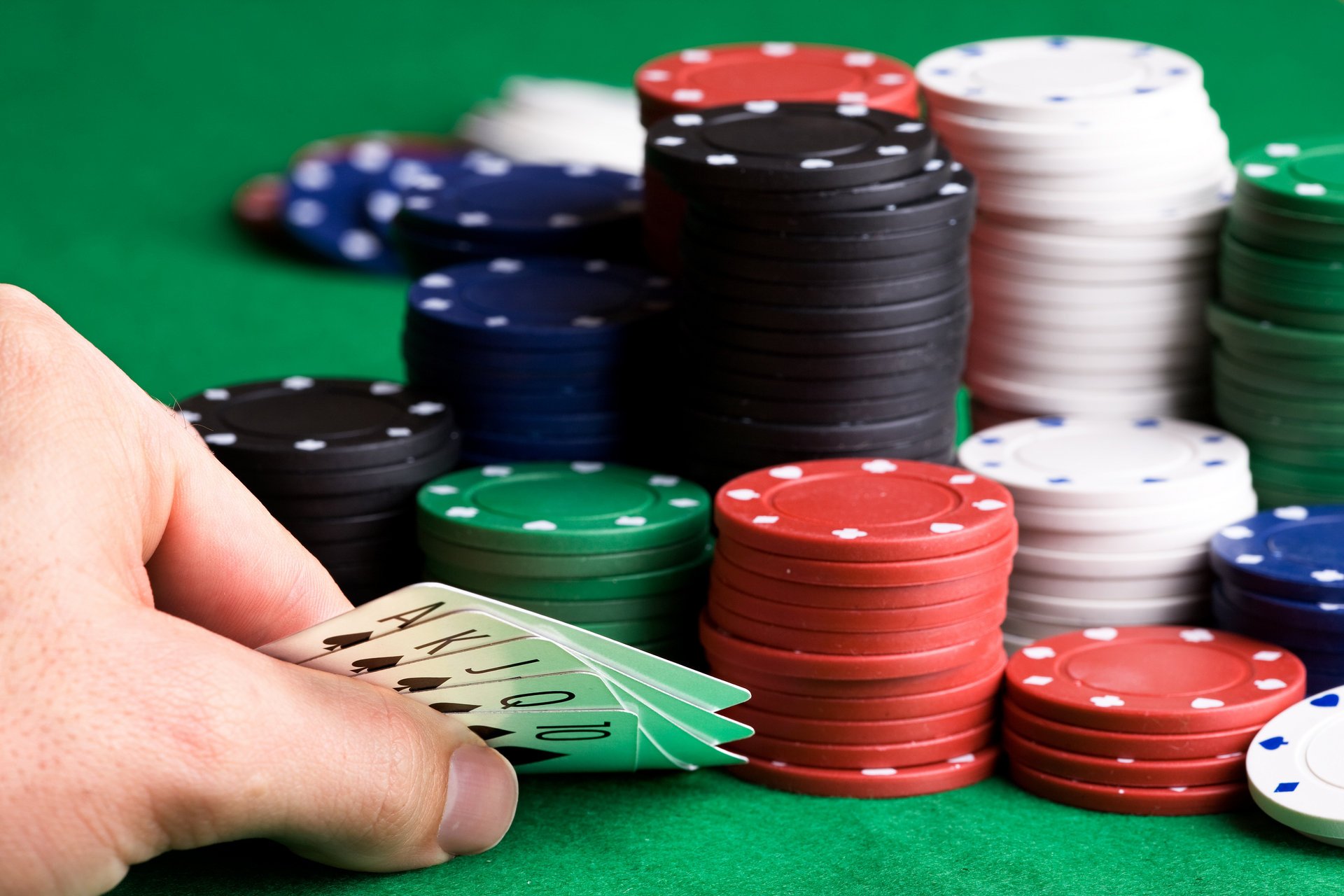
Moreover, gambling environments, such as casinos, are deliberately designed to enhance this allure. Bright lights, engaging sounds, and the presence of other players contribute to an atmosphere that reinforces the excitement. This sensory stimulation triggers the brain’s reward system, making the gambling experience particularly compelling and often addictive for many players.
The Role of Cognitive Biases
Cognitive biases significantly impact gamblers’ decisions, often leading them to make irrational choices. One of the most common biases is the illusion of control, where players believe they can influence the outcome of games of chance through skill or strategy. This misconception can lead to overconfidence and excessive betting, as individuals fail to recognize the inherent randomness of gambling outcomes.
Another prevalent bias is the gambler’s fallacy, which suggests that past events influence future outcomes. For example, a player might believe that after a series of losses, a win is “due.” Such thinking can lead to persistent betting despite unfavorable odds, ultimately resulting in significant losses and further entrenchment in gambling behavior.
The Emotional Cycle of Gambling
The emotional experience of gambling often follows a cyclical pattern that can trap individuals in a cycle of excitement and despair. Initially, the anticipation of a potential win generates feelings of hope and exhilaration. However, this is frequently followed by disappointment and frustration when luck does not favor the player.
This cycle can create a “chasing” mentality, where individuals continue to gamble in the hopes of recouping losses, leading to a downward spiral. Understanding this emotional rollercoaster is essential for individuals who gamble and their families, as it sheds light on the psychological mechanisms that contribute to gambling addiction.
Strategies to Manage Gambling Behavior
Implementing effective strategies to manage gambling behavior is crucial for those at risk of developing problematic habits. One approach is setting strict limits on time and money spent gambling, which helps create a sense of control over one’s behavior. Additionally, developing awareness of cognitive biases can empower individuals to make more informed decisions when placing bets.
Seeking support from community resources or counseling services can also be beneficial. Many organizations provide assistance and educational programs that help individuals understand their gambling behavior and develop healthier coping mechanisms. By recognizing the psychological factors at play, individuals can take proactive steps toward responsible gambling.

About Our Website
Our website aims to provide insights into the psychology of gambling, offering resources and information to help individuals understand their behaviors and make informed decisions. We prioritize your online security and performance, ensuring a safe browsing experience as you navigate our content.
By focusing on the psychological aspects of gambling, we hope to promote responsible gaming practices and awareness of the potential risks involved. Stay informed and secure while exploring the fascinating world of gambling psychology with us.